Preeclampsia
Preeclampsia is a serious medical problem that can happen during and after pregnancy. It causes a pregnant person’s blood pressure to go very high, which can be dangerous for the pregnant person and their fetus. It usually occurs after 20 weeks of pregnancy, but it also can occur after childbirth. In some cases, preeclampsia can get worse and lead to eclampsia (seizures).
Can preeclampsia be prevented? Click here to learn more.
-
Anyone can get preeclampsia, but the risk is higher in those with the following risk factors:
First pregnancy
Multiple pregnancy (twins, triplets, or more)
Chronic high blood pressure (that existed before pregnancy)
Preeclampsia in a past pregnancy
Diabetes (either preexisting or during pregnancy [gestational])
Having certain health problems like lupus, kidney disease, or obstructive sleep apnea
Obesity before pregnancy
Being age 35 years or older
-
Not everyone with preeclampsia has symptoms. Symptoms vary and may include:
Swelling of your face, hands, or feet
Dull or severe throbbing headache
Nausea or vomiting
Pain in the abdomen and/or right shoulder
Changes in vision, like seeing spots or blurry vision
Low back pain, especially when it occurs with abdominal or right shoulder pain
Sudden weight gain (3-5 pounds in a week)
Shortness of breath or difficulty breathing
-
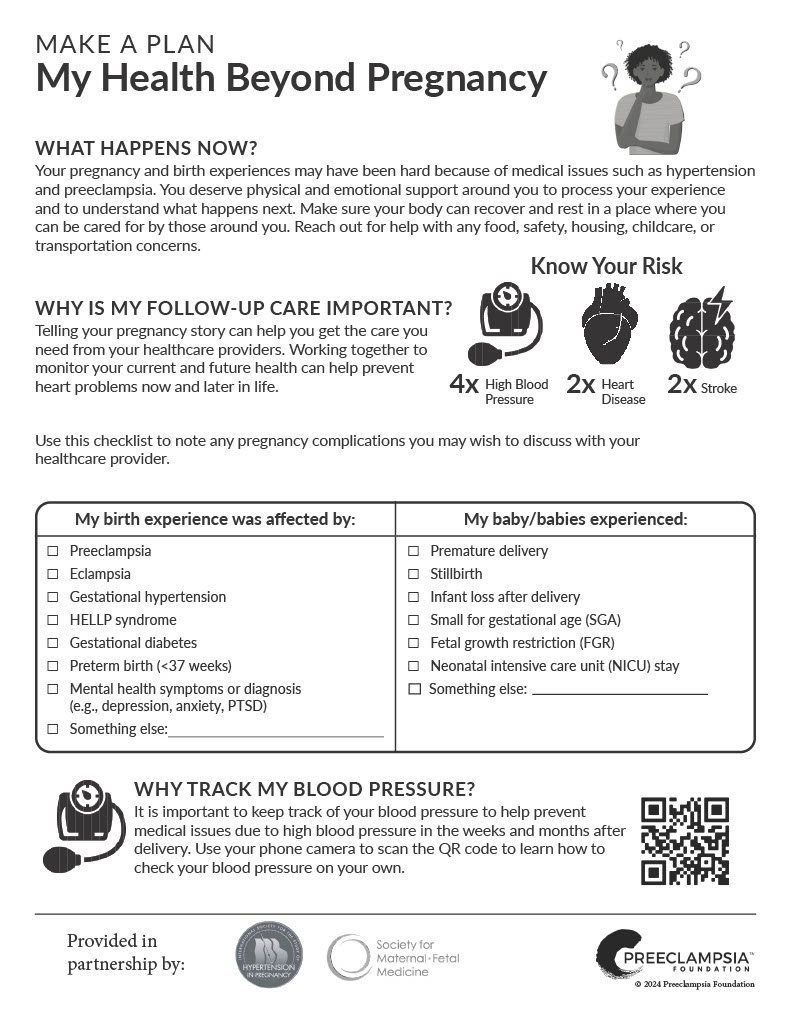
High blood pressure can temporarily affect the kidneys, liver, lungs, blood, and brain. Most of the effects of preeclampsia go away soon after or within 6 weeks of delivery. However, having preeclampsia increases your risk of heart disease for the rest of your life.
-
The fetus can grow more slowly (fetal growth restriction).
The amount of amniotic fluid may be too low.
Early delivery may be needed to treat preeclampsia, which can result in the baby being born too early (preterm). Preterm babies are at risk of many health problems. These include problems with breathing, eating, and staying warm.
Preeclampsia can increase the risk of placental abruption, in which the placenta suddenly separates from the wall of the uterus. It can cause severe bleeding (hemorrhage) during delivery that can be life-threatening.
-
Preeclampsia is diagnosed when you have high blood pressure (the top number is 140 or greater or the bottom number is 90 or greater) after 20 weeks of pregnancy plus one of the following:
High levels of protein in your urine (your kidneys’ ability to filter protein from your blood is impaired)
Low platelet count (your blood may not clot properly)
High creatinine levels (your kidneys are not working properly)
High liver enzymes (your liver is not working properly)
Fluid in your lungs
Preeclampsia is diagnosed as “severe” when certain signs and symptoms are present. These are called “severe features.” Some of the signs and symptoms listed above are considered severe features:
Low platelet count
High creatinine levels
High liver enzymes
Fluid in your lungs
Other severe features include:
Very high blood pressure (the top number is 160 or greater; the bottom number is 110 or greater)
A new, severe headache that does not go away
Vision problems
Pain in your upper right abdomen
-
Treatment for preeclampsia involves careful management to address the condition and reduce risks for both you and your baby. Delivery of the baby is often the final treatment, but there are many factors to consider when deciding when to deliver:
How far along in the pregnancy you are
Whether you have severe features
How well you are doing
How well the fetus is doing
If you have preeclampsia and are still weeks away from your due date, but you and the fetus are doing well and you do not have severe features, you may be able to wait until your pregnancy is further along before having your baby. You’ll have regular blood pressure checks, lab tests, and ultrasounds.
If you have severe features, your healthcare professional will carefully consider the best course of action. Patients with severe features may be closely monitored for a period without immediate delivery to help prolong the pregnancy safely. The use of antihypertensive medications, which help to lower blood pressure, and antenatal corticosteroids, to help mature the baby’s lungs if preterm delivery is anticipated, may be used during this time. You may need to be admitted to the hospital for close monitoring until delivery. You and your healthcare professional will weigh the risks and benefits of waiting versus delivery, considering factors such as your condition, the baby’s condition, the risks of waiting, and how preterm your baby will be at delivery.
During delivery, you may receive medication to prevent seizures (eclampsia) and control your blood pressure.
-
Taking low-dose aspirin (81 mg) daily starting between 12 and 28 weeks of pregnancy may help prevent preeclampsia in certain people. Talk to your healthcare professional to see if this treatment is right for you.
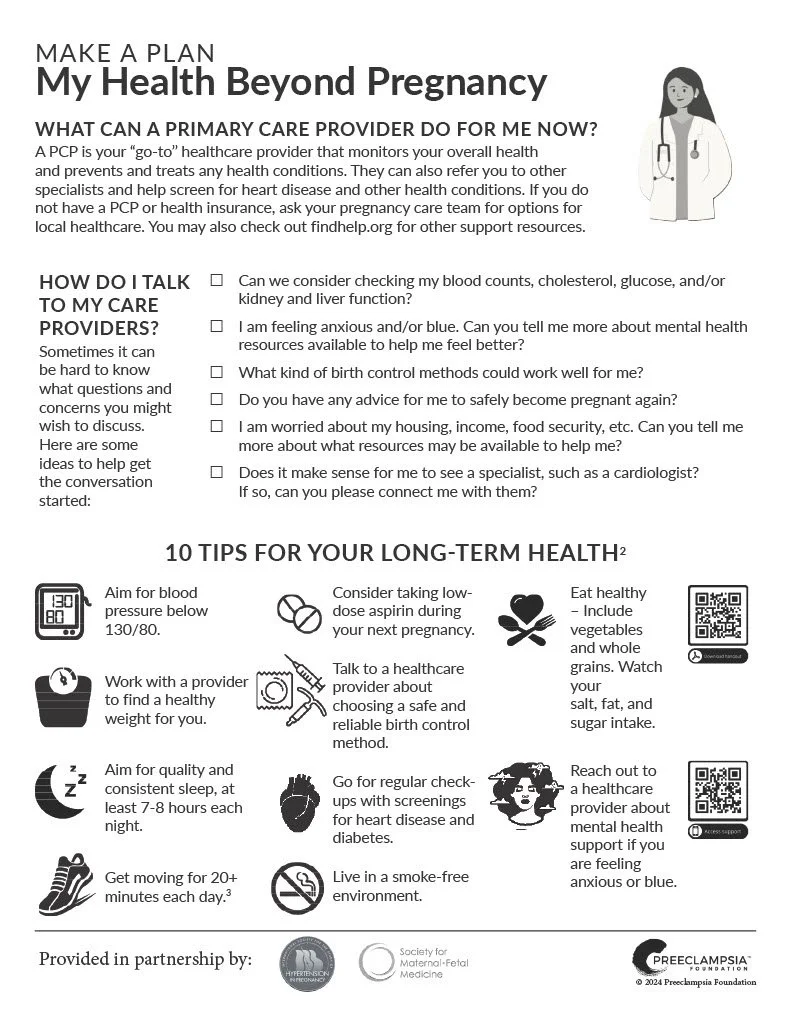
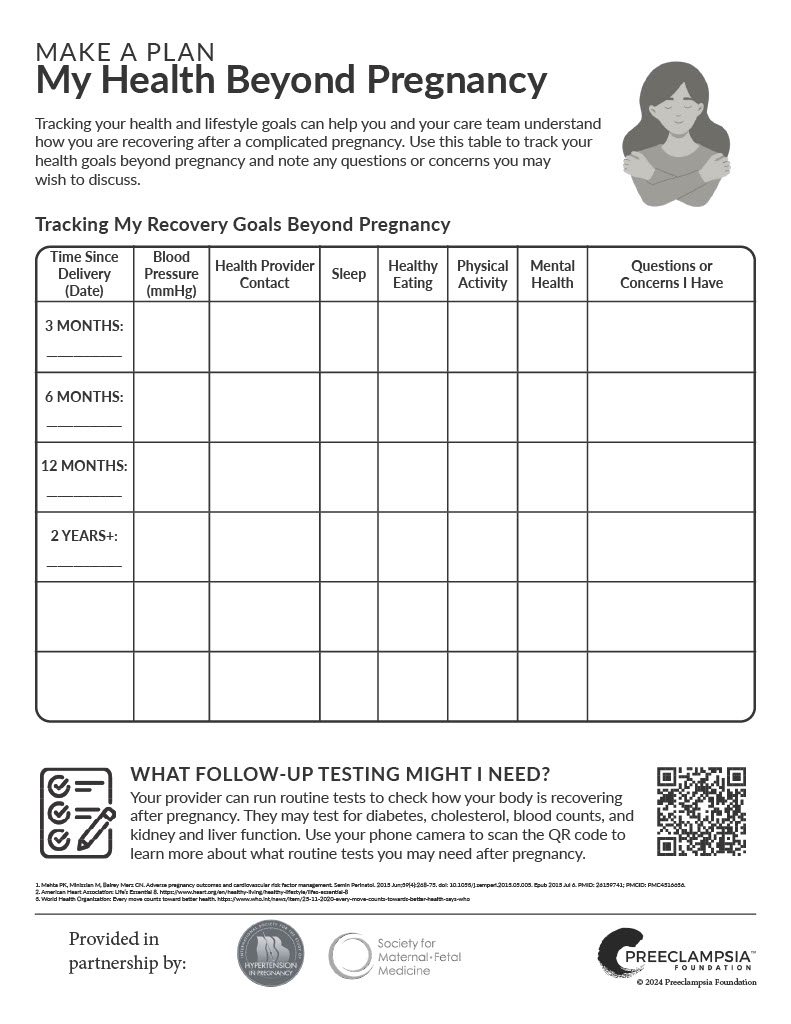
Make A Plan: My Health Beyond Pregnancy
Taking Accurate Blood Pressure Readings
Taking Accurate Blood Pressure Readings
When you’re pregnant, knowing how to take accurate blood pressure readings can help protect you and your fetus.
This video explains how to measure your blood pressure correctly at home. It walks through simple steps such as sitting in the right position, placing the cuff correctly on your arm, and avoiding common mistakes that can affect your reading.
Learning how to take your blood pressure accurately can help you and your healthcare team monitor your health during pregnancy and identify concerns such as high blood pressure as early as possible.
Quick Facts
Preeclampsia is a serious condition in which a pregnant person’s blood pressure increases to very high levels. It usually happens after 20 weeks of pregnancy and can also occur after childbirth.
Preeclampsia can increase risks for both the pregnant person and the fetus and lead to seizures (eclampsia). It can temporarily affect the pregnant person’s kidneys, liver, lungs, blood, and brain. Having preeclampsia increases the risk of heart disease for the rest of a person’s life.
Risk factors include first pregnancy, preexisting conditions like high blood pressure, diabetes, or kidney disease, obesity, being older than 35, and carrying multiples (eg, twins or triplets).
Symptoms vary and may include swelling in the face, hands, or feet; severe headaches; vision changes; nausea; abdominal pain; sudden weight gain; and difficulty breathing. You may have high levels of protein in your urine. Blood tests may show problems with blood clotting and kidney and liver function.
Treatment for preeclampsia is delivery of the baby. When to deliver depends on how far along the pregnancy is, whether there are severe signs and symptoms, and the mother’s and fetus’s condition.
Taking daily low-dose aspirin between 12 and 28 weeks of pregnancy may help prevent preeclampsia in certain cases.
Glossary
Creatinine: A chemical made by muscles that is removed from the body by the kidneys. The level in the blood can be measured to assess the body’s kidney function.
Diabetes: A condition in which a person’s blood sugar is too high. It can be caused by a lack of insulin, a chemical in the body that helps move sugar from the bloodstream into cells. It also can be caused when cells do not respond properly to insulin.
Eclampsia: A serious condition that causes seizures in a pregnant person with preeclampsia.
Enzymes: Chemicals that speed up the chemical reactions in the body. The level of many enzymes in the blood can be measured to assess the function of various organs.
Fetal Growth Restriction: A condition in which a fetus measures much smaller than expected for the gestational age.
Fetus: The unborn offspring of a human that develops in the uterus; the fetal stage lasts from nine weeks to birth.
Hemorrhage: Very heavy bleeding that can be life-threatening.
Lupus: A disorder in which there are high levels of immune proteins called antibodies that attack the body’s own tissues; it can affect many organs in the body, causing problems with the skin (rash), muscles (muscle pain), and joints (arthritis); inflammation of the heart, kidney, brain, and lung; and blood disorders such as anemia.
Obstructive Sleep Apnea: A condition in which airflow is periodically blocked during sleep, causing snoring and episodes in which breathing can stop (apnea).
Placental abruption: A serious complication of pregnancy in which the placenta separates too early from the uterus. It usually occurs in the third trimester or during childbirth. Symptoms include pain in the abdomen and vaginal bleeding.
Platelet: A type of blood component that functions in clotting.
Preeclampsia: A disorder that can occur during pregnancy in which the blood pressure gets too high. It can damage many organs in the body, including the kidneys, brain, and liver.
Ultrasound: Use of sound waves to create images of internal organs or the fetus during pregnancy.
Last Updated: July 2024